
How Long Does an Epoxy Garage Floor Last? Durability Explained
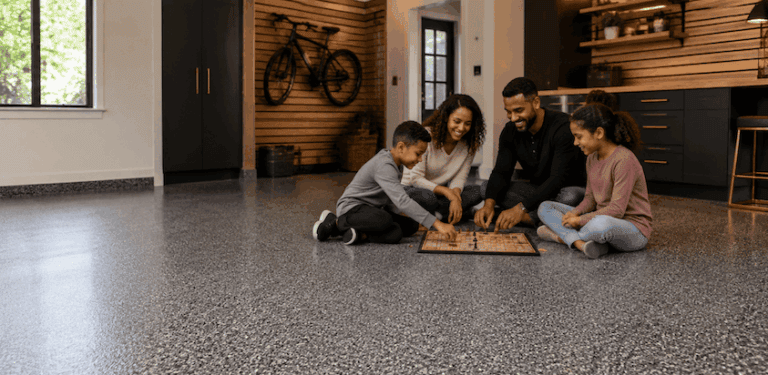
Understanding Epoxy Garage Floor Lifespan in Northern Virginia
Epoxy garage flooring has become a popular choice for homeowners in Northern Virginia due to its durability, aesthetic appeal, and protective qualities. However, a common question arises: “How long does an epoxy garage floor last?” The answer isn’t a simple number, as several factors influence its longevity. Generally, a professionally installed epoxy floor can last anywhere from 5 to 20 years, with some lasting even longer under ideal conditions. Understanding these contributing factors is crucial for Northern Virginia residents considering this investment. This section will delve into the general expectations for epoxy floor lifespans and the variables that dictate their durability in our specific regional climate and usage patterns.
General Lifespan Expectations for Epoxy Coatings
When discussing the lifespan of epoxy garage floors, it’s essential to differentiate between a DIY application and a professional installation. A DIY epoxy kit, often thinner and less robust, might only last 2-5 years before showing significant wear, chipping, or delamination. This is often due to inadequate surface preparation, lower-quality materials, and improper application techniques. In contrast, a professionally installed, multi-coat epoxy system, utilizing commercial-grade resins and proper surface profiling, can confidently achieve a lifespan of 10-20 years. Some high-performance systems, particularly those with additional topcoats or industrial-grade urethanes, can exceed this range, offering exceptional protection for two decades or more.
Factors Influencing Epoxy Durability in NoVA
The specific conditions in Northern Virginia play a significant role in how long an epoxy floor will last. Our region experiences all four distinct seasons, bringing varying temperatures, humidity levels, and precipitation. This environmental diversity means epoxy floors must withstand freezing temperatures in winter, high humidity in summer, and the constant exposure to road salts, chemicals, and debris tracked in by vehicles.
- Temperature Fluctuations: Extreme temperature swings, common in Northern Virginia, cause concrete slabs to expand and contract. While epoxy is flexible, constant stress can lead to delamination over many years if the underlying concrete is not properly prepared or if a high-quality, flexible epoxy is not used.
- Moisture and Humidity: High humidity in the summer months can affect the curing process if not managed properly during installation. Furthermore, moisture vapor transmission from the concrete slab can cause blistering and delamination over time if a proper moisture barrier is not applied. Northern Virginia’s often humid summers make this a critical consideration.
- Road Salt and De-icing Chemicals: Vehicles driven in winter often bring in corrosive road salts and de-icing chemicals. These substances can degrade lower-quality epoxy coatings over time, leading to dulling, staining, and reduced adhesion. High-quality epoxy systems, especially those with chemical-resistant topcoats, are designed to withstand these challenges.
- UV Exposure: While most garage floors have limited direct sunlight, prolonged exposure to UV rays, particularly near garage doors, can cause some epoxy formulations to yellow or chalk. Polyaspartic or UV-stable urethane topcoats are often recommended in Northern Virginia to mitigate this, especially for garages with south-facing doors.
By considering these local factors, homeowners can make informed decisions about the type of epoxy system best suited for their Northern Virginia garage, ultimately maximizing its lifespan and value.
When considering the longevity of an epoxy garage floor, it’s essential to understand the various factors that can influence its lifespan, such as the quality of the epoxy used, the preparation of the concrete surface, and the level of foot and vehicle traffic. For more detailed insights on epoxy flooring services and their durability, you can refer to this related article on epoxy flooring options and maintenance tips available at Epoxy Flooring Nova. This resource provides valuable information that can help you make an informed decision about your garage flooring needs.
Critical Factors Affecting Epoxy Floor Lifespan
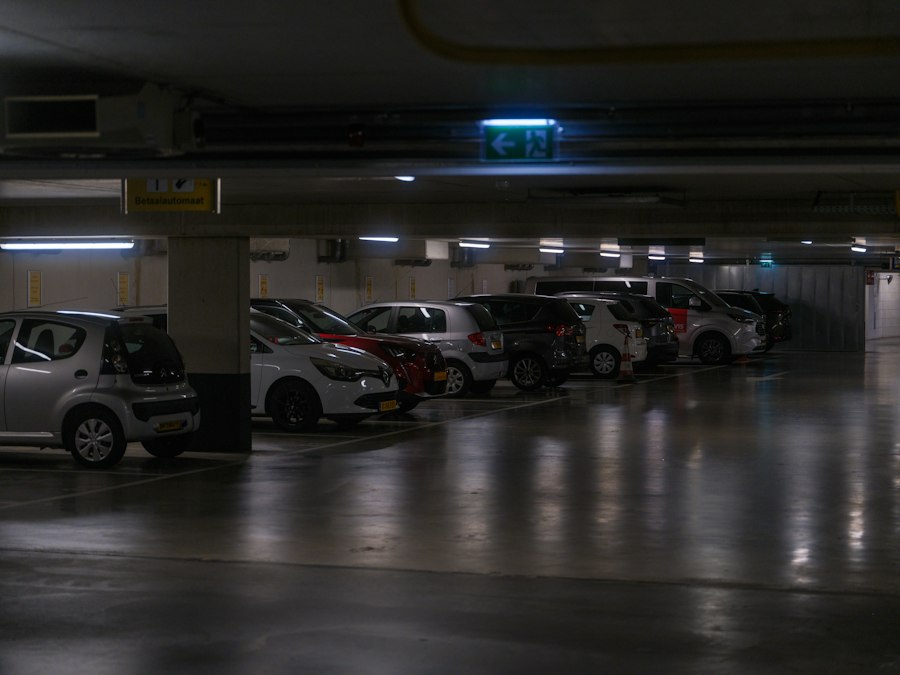
The longevity of an epoxy garage floor is not solely determined by the quality of the epoxy itself. A complex interplay of installation techniques, material quality, and ongoing maintenance significantly impacts how many years of reliable service you can expect. Understanding these critical factors is paramount for any Northern Virginia homeowner looking to invest in a durable garage floor solution.
Surface Preparation: The Foundation of Longevity
This is arguably the most critical factor. An epoxy coating will only last as long as its bond to the concrete substrate. Proper surface preparation ensures maximum adhesion, preventing premature delamination, chipping, and peeling.
- Cleaning and Degreasing: The concrete surface must be meticulously cleaned to remove all dirt, oil, grease, paint, sealers, and contaminants. Even small amounts of residue can compromise adhesion. Professional installers in Northern Virginia use industrial-strength degreasers and often follow with an etching solution or mechanical abrasion.
- Moisture Mitigation: Concrete is porous and can wick moisture from the ground. High moisture vapor transmission (MVT) can lead to bubbling, blistering, and delamination of the epoxy. Professional contractors in Northern Virginia test for MVT using calcium chloride tests or relative humidity probes (ASTM F1869, ASTM F2170). If MVT is above acceptable levels (typically 3-5 lbs/1000 sq ft/24 hrs), a moisture mitigation barrier or specialized primer must be applied. Ignoring this step in humid Northern Virginia can drastically reduce floor life.
- Crack and Spall Repair: Any cracks, spalls, or uneven areas in the concrete must be repaired and leveled before epoxy application. These imperfections can propagate through the epoxy layer, leading to failures. Professional repair using epoxy fillers or polymer-modified cement ensures a smooth, stable substrate.
- Mechanical Profile (Grinding/Shot Blasting): Chemical etching provides a shallow profile, but for optimal adhesion and longevity, especially with multi-coat systems, mechanical preparation is superior. Diamond grinding or shot blasting creates a concrete surface profile (CSP) that allows the epoxy to physically lock into the concrete. A CSP of 2-3 is typically recommended for residential garages, as per the International Concrete Repair Institute (ICRI) guidelines. This is a non-negotiable step for a long-lasting epoxy floor.
Quality of Epoxy Materials and Application
Not all epoxy is created equal. The type and quality of the epoxy resin, hardener, and any additives, along with the skill of the applicator, directly influence the floor’s performance and lifespan.
- Type of Epoxy:
- 100% Solids Epoxy: This is the highest quality and most durable option. It contains no solvents that evaporate, resulting in a thick, hard-wearing finish. It’s more expensive and harder to work with but offers superior chemical resistance, abrasion resistance, and a significantly longer lifespan (15-20+ years). This is the standard for professional installations in Northern Virginia.
- Water-Based Epoxy: Often found in DIY kits, these contain a significant amount of water. They are easier to apply but cure much thinner and are less durable, typically lasting 2-5 years. They are not recommended for high-traffic garages.
- Solvent-Based Epoxy: Contains solvents that evaporate, reducing the cured film thickness. Offers better durability than water-based but still less than 100% solids. Odors can be strong, and VOC regulations may limit their use. Lifespan is generally 5-10 years.
- Number of Coats and Thickness: A single thin coat of epoxy will not last as long as a multi-coat system. Professional installations typically involve a primer coat, two or more color coats (with or without flakes), and often a clear topcoat (e.g., urethane or polyaspartic). Each coat adds thickness and protection, contributing to overall durability. A minimum dried film thickness of 10-12 mils is often recommended for good performance, with high-performance systems reaching 20 mils or more.
- Topcoats (Urethane/Polyaspartic): For maximum protection against abrasion, UV yellowing, and chemicals, a clear urethane or polyaspartic topcoat is highly recommended, especially in Northern Virginia where cars bring in road salt and the garage might see some sunlight exposure. Polyaspartic topcoats offer rapid curing, excellent UV stability, and superior chemical/abrasion resistance, making them ideal for high-traffic garages and extending the epoxy’s life significantly.
Environmental Exposure and Usage Intensity
The amount of traffic, types of vehicles, and activities performed in the garage directly impact the wear and tear on an epoxy floor.
- Vehicle Traffic: Garages housing multiple heavy vehicles, especially those frequently driven, will experience more wear than a single-car garage used primarily for storage.
- Heavy Objects and Dropped Tools: While durable, epoxy can chip or crack if heavy tools are repeatedly dropped, or if extremely heavy objects are dragged across the surface without protection.
- Chemical Spills: Oil, antifreeze, brake fluid, and other common automotive chemicals can stain or degrade lower-quality epoxy over time. High-quality 100% solids epoxy with chemical-resistant topcoats offers superior protection.
- Road Salts and De-icing Chemicals: As mentioned, these corrosive substances brought in by vehicles during winter can accelerate wear if the epoxy system is not adequately resistant.
- UV Exposure: Direct sunlight, particularly near garage doors, can cause some epoxy types to yellow or chalk over time. Choosing UV-stable topcoats (polyaspartic, aliphatic urethane) is crucial for Northern Virginia garages with significant sun exposure.
Maintenance and Care Practices
Even the highest quality epoxy floor benefits from proper maintenance.
- Regular Cleaning: Sweeping and occasional mopping with a mild detergent (avoiding harsh chemicals like acid-based cleaners) prevents abrasive dirt and grit from scratching the surface.
- Prompt Spill Cleanup: Wiping up oil, grease, or chemical spills immediately prevents them from setting or causing prolonged exposure damage.
- Use of Mats: Placing rubber mats under vehicle tires or workbenches can further protect high-wear areas from hot tires, spills, and heavy impacts.
- Avoiding Scratches: While scratch-resistant, avoid dragging sharp or heavy objects directly across the floor. Use dollies or furniture movers with soft wheels.
By meticulously addressing surface preparation, selecting high-quality materials, ensuring professional application, considering environmental factors, and committing to regular maintenance, Northern Virginia homeowners can confidently expect their epoxy garage floor to provide many years of durable, attractive service.
Cost vs. Lifespan: An Investment Perspective
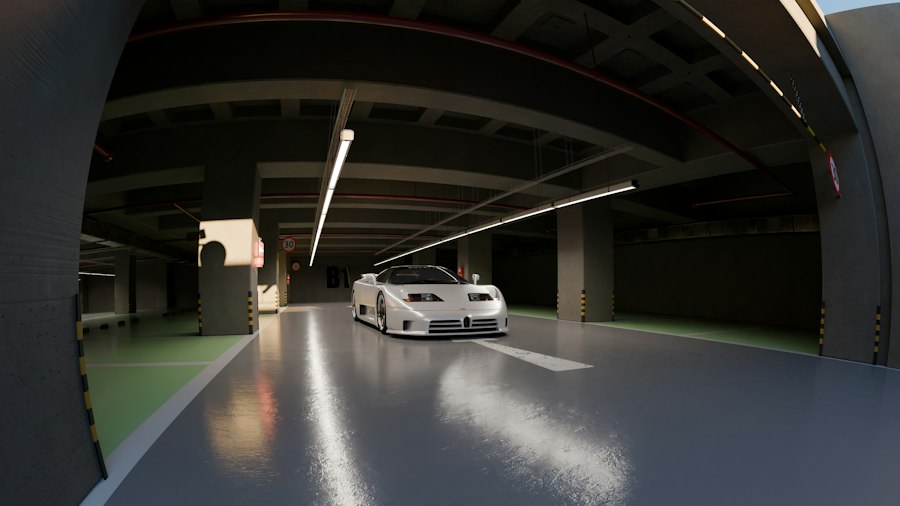
When considering an epoxy garage floor in Northern Virginia, the initial cost is often a primary concern. However, viewing it solely as an upfront expense without factoring in its lifespan and the long-term benefits can be misleading. A higher initial investment in a professional, high-quality epoxy system often translates to a significantly longer lifespan and lower overall cost of ownership compared to cheaper, less durable alternatives. This section explores the cost variables, compares different options, and provides decision criteria for Northern Virginia homeowners.
Understanding Cost Variables for Epoxy Flooring
The cost of epoxy garage flooring in Northern Virginia can vary widely, typically ranging from $3 to $12+ per square foot, depending on numerous factors. It’s crucial to understand what drives these price differences.
- Type and Quality of Epoxy:
- DIY Kits (Water-based/Low Solids): $0.50 – $2.00 per square foot for materials, but installation labor is not included, and lifespan is significantly shorter (2-5 years). These are rarely recommended for long-term durability.
- Professional 100% Solids Epoxy Systems: $5.00 – $12.00+ per square foot for materials and professional installation. This includes multi-coat systems, often with decorative flakes and a durable topcoat (urethane/polyaspartic). Lifespan is 10-20+ years.
- Surface Preparation Requirements:
- Standard Preparation (Grinding, Minor Repairs): Included in most professional quotes.
- Extensive Repairs: Significant crack repair, spall repair, or leveling of an uneven slab will add to the cost.
- Moisture Mitigation: If concrete moisture vapor transmission is high, a specialized moisture barrier primer is required, adding $1.00 – $3.00+ per square foot. This is a critical factor in humid Northern Virginia.
- Decorative Options:
- Flake Broadcast: Full or partial flake broadcast adds visual appeal and texture. Full broadcast (where flakes cover the entire surface) adds more material and labor, increasing costs slightly.
- Metallic or Custom Designs: These specialized, artistic finishes are labor-intensive and require unique materials, pushing costs towards the higher end of the spectrum ($10-$15+ per square foot).
- Garage Size and Layout: Larger garages often benefit from a slightly lower per-square-foot cost due to economies of scale. Garages with complex layouts, numerous pillars, or obstructions may incur slightly higher labor costs.
- Contractor Experience and Reputation: Reputable, experienced contractors in Northern Virginia with proper licensing, insurance, and a track record of quality work will generally charge more than less established companies. This premium often reflects their expertise, superior materials, and warranty, which contribute to a longer-lasting floor.
Comparing Investment Returns: DIY vs. Professional
Let’s consider a hypothetical 400 sq ft two-car garage in Northern Virginia to illustrate the long-term investment.
| Feature | DIY Epoxy Kit (Water-based) | Professional 100% Solids System |
| :– | : | :– |
| Material Cost | ~$200 – $800 ($0.50 – $2/sq ft) | ~$2,000 – $4,800 ($5 – $12/sq ft) |
| Installation Cost | Free (Your Labor) | ~$2,000 – $4,800 (Included in per sq ft price) |
| Total Initial Cost| ~$200 – $800 | ~$2,000 – $4,800 |
| Expected Lifespan | 2-5 years | 10-20+ years |
| Durability | Low (prone to peeling, stains, wear) | High (chemical, abrasion, impact resistant) |
| Maintenance | Frequent touch-ups, reapplication likely | Easy cleaning, minimal maintenance |
| Resale Value | Minimal positive impact, potentially negative if poorly done | Significant positive impact, highly attractive |
| Cost per Year | $40 – $400 (if reapplied every 2-5 yrs) | $100 – $480 (over 10-20 yr lifespan) |
Analysis: While the DIY option appears cheaper upfront, its short lifespan means you’ll likely be repeating the process every few years. The cumulative cost, time, and frustration over 10-20 years can easily surpass the initial investment in a professional system. A professionally installed floor offers peace of mind, superior performance, and a much longer service life, often making it the more cost-effective choice in the long run. The “cost per year” metric highlights this: a professional floor, even at the high end, often ends up being comparable or cheaper annually than repeatedly replacing a DIY job.
Decision Criteria for Northern Virginia Homeowners
When deciding on an epoxy garage floor, consider these factors:
- Budget: While tempting to go cheap, recognize that a significantly lower price often means lower quality materials and/or poor preparation, leading to premature failure. Consider your long-term budget.
- Expected Use: Is your garage a high-traffic workshop or primarily for parking and light storage? Heavy use warrants a more robust, professional system.
- Desired Longevity: If you plan to stay in your Northern Virginia home for many years, investing in a 10-20+ year solution makes financial sense. If it’s a short-term residence, a less durable option might suffice, but consider the impact on resale.
- Aesthetic Goals: Do you want a simple, clean look, or a decorative, high-gloss finish? Professional systems offer a wider range of customizable options.
- Home Resale Value: A well-maintained, professionally installed epoxy garage floor is a significant upgrade that enhances curb appeal and functional value, positively impacting resale value in the competitive Northern Virginia housing market.
- Warranty and Support: Professional installers typically offer warranties on their work and materials, providing peace of mind. DIY solutions offer no such guarantees.
For Northern Virginia homeowners, investing in a high-quality, professionally installed epoxy garage floor is a smart decision that pays dividends in durability, aesthetics, and long-term value.
Maximizing Your Epoxy Floor’s Lifespan in Northern Virginia
Even the most robust epoxy garage floor system can benefit from proper care and proactive measures to ensure it reaches its maximum lifespan. For homeowners in Northern Virginia, where varying weather conditions and common automotive activities can challenge floor coatings, understanding and implementing effective maintenance and protective strategies is key. This section provides practical advice for preserving your investment.
Best Practices for Maintenance and Care
Routine maintenance is straightforward for epoxy floors, but consistency is crucial.
- Regular Cleaning:
- Sweeping/Vacuuming: Regularly sweep or vacuum the floor to remove dirt, dust, and abrasive grit. Fine particles can act like sandpaper under foot and vehicle traffic, slowly dulling the finish and potentially scratching the topcoat. For Northern Virginia, especially in fall and winter, this helps remove leaf debris and tracked-in road salt.
- Mopping: For a deeper clean, mop the floor with a soft-bristled brush or a micro-fiber mop using warm water and a mild, pH-neutral cleaner. Avoid harsh detergents, acidic cleaners (like vinegar), or abrasive cleaning pads, as these can dull the finish or degrade the epoxy over time. A common household solution of dish soap and water works effectively for most spills.
- Prompt Spill Cleanup:
- Automotive Fluids: Oil, antifreeze, brake fluid, and other automotive chemicals should be wiped up immediately. While high-quality epoxy is chemical-resistant, prolonged exposure can still cause staining or dulling, particularly with brake fluid or strong solvents. Use paper towels or absorbent rags and then clean the area with a mild detergent.
- Water and Moisture: Although epoxy is waterproof, consistently allowing puddles of water to sit, especially from melting snow or ice from vehicles in winter, can eventually allow moisture to penetrate any micro-fissures or compromised areas. Ensure good drainage or use absorbent mats.
- Avoiding Harsh Chemicals: Steer clear of paint strippers, strong degreasers not specifically formulated for epoxy, and products containing acids or strong bases. These can chemically attack the epoxy coating. Always test any new cleaning product in an inconspicuous area first.
Protective Measures for Increased Durability
Beyond regular cleaning, several preventative steps can significantly extend the life of your epoxy garage floor.
- Use of Protective Mats:
- Under Tires: Place rubber or vinyl parking mats under vehicle tires, especially in winter. These mats help collect melting snow, ice, and road salts, preventing corrosive elements from sitting directly on the epoxy. They also protect against “hot tire pickup,” where hot tires can sometimes cause delamination on lower-quality or improperly cured epoxy, though this is less common with professional 100% solids systems.
- Under Work Areas: If you have a workbench or frequently use tools, place an industrial-grade mat in that area. This protects the epoxy from dropped tools, spills, and heavy impacts.
- Preventing Scratches and Dents:
- Furniture Pads: When moving heavy items or furniture across the floor, use furniture glides or place pieces of cardboard underneath to prevent scratching.
- Avoid Dragging: Lift heavy objects rather than dragging them. If you must drag, ensure the object has soft, non-abrasive contact points.
- Casters and Wheels: Equip heavy cabinets, tool chests, or carts with soft, non-marring rubber or polyurethane casters instead of hard plastic or metal wheels.
- Addressing Spills and Stains Immediately: The quicker a spill is cleaned, the less likely it is to cause permanent damage. Keep cleaning supplies readily accessible in the garage. For tough stains, a gentle scrub brush with a mild cleaner is usually effective.
- Dealing with Hot Items: While epoxy is heat-resistant to a degree, avoid placing extremely hot items directly onto the surface, such as engine parts immediately removed from a running vehicle. Allow them to cool or place them on a protective mat.
- Seasonal Considerations for Northern Virginia:
- Winter: Be extra diligent with sweeping and mopping to remove road salt and de-icing chemicals. Consider a dedicated mat for melting snow/ice accumulation.
- Summer: During periods of high humidity, ensure good ventilation in the garage if possible, though this is more critical during the epoxy curing phase than for established floors.
By adopting these maintenance and protective strategies, Northern Virginia homeowners can significantly enhance the lifespan and appearance of their epoxy garage floors, ensuring their investment continues to perform and impress for decades.
When considering the longevity of an epoxy garage floor, it’s essential to understand the factors that contribute to its durability. Many homeowners are curious about how long these floors can last under various conditions. For a deeper insight into the benefits of epoxy flooring, especially in specific applications like home gyms, you can explore this related article on home gym epoxy flooring. This resource provides valuable information on maintenance and the expected lifespan of epoxy surfaces, helping you make an informed decision for your garage.
Understanding Epoxy Floor Failures and Repairs
<?xml encoding=”UTF-8″>
| Factor | Typical Lifespan | Notes |
|---|---|---|
| Residential Garage Floor | 5 to 10 years | With normal use and proper maintenance |
| Commercial Garage Floor | 3 to 7 years | Higher traffic and heavier loads reduce lifespan |
| High-Quality Epoxy Coating | 10+ years | Premium products with professional installation |
| Low-Quality Epoxy Coating | 2 to 5 years | May peel or chip sooner |
| Maintenance Frequency | Varies | Regular cleaning and re-coating extend lifespan |
| Environmental Exposure | Varies | UV light and moisture can degrade epoxy over time |
While a properly installed and maintained epoxy garage floor in Northern Virginia can last for many years, even decades, issues can sometimes arise. Understanding common types of epoxy floor failures, their causes, and potential repair strategies is essential for protecting your investment and knowing when to call a professional. Many failures stem from improper surface preparation or substandard materials, emphasizing the importance of professional installation.
Common Types of Epoxy Floor Failures
Recognizing the signs of failure early can help in determining the best course of action.
- Delamination (Peeling/Flaking): This is perhaps the most common and frustrating failure. Delamination occurs when the epoxy coating loses its bond with the concrete substrate and begins to lift, peel, or flake off.
- Causes: The overwhelming majority of delamination cases are due to improper surface preparation. This includes:
- Insufficient concrete profiling: Concrete was not ground or shot-blasted adequately (e.g., only acid etched or not etched at all), preventing a strong mechanical bond.
- Contamination: Oil, grease, sealers, dirt, or previous coatings were not completely removed.
- Moisture Vapor Transmission (MVT): High levels of moisture migrating from within or underneath the concrete slab push the epoxy off the surface. This is a significant concern in humid Northern Virginia if not addressed with a moisture barrier primer.
- Applying epoxy over previously sealed concrete: Many concrete sealers are incompatible with epoxy and must be completely removed.
- Appearance: Looks like large areas of the epoxy are lifting, bubbling, or coming off in sheets or chips.
- Blistering/Bubbling: Small or large bubbles forming under the epoxy layer.
- Causes:
- Outgassing: Air trapped in the porous concrete escapes during the epoxy curing process, especially if applied when temperatures are rising or over concrete that wasn’t properly primed or sealed.
- Moisture Vapor Transmission (MVT): Similar to delamination, MVT can cause moisture to vaporize and push up the epoxy.
- Improper mixing or application: Rapid mixing can introduce air bubbles into the epoxy itself, or applying too thick of a coat can trap solvents or air.
- Appearance: Small pimple-like bumps or larger, raised bubbles on the surface.
- Cracking: Cracks appearing in the epoxy layer.
- Causes:
- Reflective Cracking: Cracks in the underlying concrete propagate through the epoxy layer. If concrete cracks were not properly repaired before epoxy application, this is a common outcome.
- Excessive stress/impact: While durable, extreme heavy impacts or significant foundation movement can cause the epoxy to crack.
- Inadequate flexibility: Using a very rigid epoxy system on a concrete slab that experiences significant movement.
- Appearance: Hairline cracks or wider fractures resembling the pattern of underlying concrete cracks.
- Yellowing/Discoloration: The epoxy changes color, often developing a yellowish tint.
- Causes:
- UV Exposure: Many standard epoxy resins are not UV stable and will yellow when exposed to sunlight, especially near garage doors or windows.
- Chemical Exposure: Certain chemicals or solvents can cause staining or discoloration.
- Age and Oxidation: Over a very long time, some epoxies can naturally oxidize and change color.
- Appearance: A noticeable shift in color, particularly in lighter-colored floors or areas exposed to sunlight.
- Hot Tire Pickup: A specific type of delamination where the heat from vehicle tires causes the epoxy to soften and pull away from the concrete.
- Causes:
- Low-quality epoxy: Inferior epoxy formulations lack the necessary heat resistance.
- Improper curing: The epoxy didn’t fully cure or wasn’t allowed sufficient time to cure before vehicle traffic.
- No protective topcoat: A high-quality urethane or polyaspartic topcoat significantly increases resistance to hot tire pickup.
- Appearance: Circular patches of epoxy are lifted where tires typically rest.
Repair Strategies and When to Call a Professional
The approach to repair depends on the type and extent of the failure.
- Minor Chips or Small Delaminated Areas:
- DIY Repair: For small, isolated chips or areas where a flake has come off, you might be able to carefully clean the area, lightly sand it, and apply a small amount of matching epoxy and/or topcoat.
- Professional Recommendation: For any delamination larger than a few inches, or multiple small areas, it’s best to consult a professional. Attempting to patch can often result in a noticeable repair that doesn’t blend well.
- Widespread Delamination or Blistering:
- Professional Intervention Required: This almost always indicates a fundamental failure in surface preparation or moisture mitigation. The affected areas, and often the entire floor, will need to be mechanically removed (ground down), the concrete properly prepared (including moisture testing and mitigation if necessary), and then a new epoxy system applied. This is a significant undertaking that requires specialized equipment and expertise.
- Cracks:
- Minor Hairline Cracks: If the epoxy is still well-adhered, a professional might be able to clean and fill the crack with a flexible epoxy or urethane filler, then apply a spot repair or new topcoat.
- Major Cracks/Reflective Cracking: If the concrete underneath is actively moving or if cracks are wide, a more extensive repair is needed. This involves grinding out the crack, filling it with a flexible joint filler or rigid epoxy, and potentially reinforcing it before reapplying epoxy.
- Yellowing/Discoloration:
- No Easy DIY Fix: Yellowing is typically a chemical change within the epoxy. The only way to address it is to sand down the affected areas and apply a new, UV-stable topcoat (like polyaspartic or aliphatic urethane) or a new color coat.
- Professional Recommendation: This is a job for professionals to ensure proper adhesion and an even finish. It’s often an opportunity to upgrade to a more UV-resistant topcoat.
When to Call a Professional:
- Extensive Damage: Any delamination, blistering, or cracking covering a large area (more than a square foot).
- Moisture Issues: If you suspect moisture vapor transmission is the cause (damp concrete, unexplained bubbles). Professional testing is required.
- Underlying Concrete Problems: If the concrete slab itself is severely damaged, uneven, or actively cracking.
- Complex Repairs: If you want the repair to be seamless and match the existing floor as closely as possible.
- Warranty: If your epoxy floor is under warranty, contacting the original installer is the first step.
In Northern Virginia, selecting a reputable epoxy flooring contractor is crucial. They possess the knowledge of local conditions, proper surface preparation techniques (including moisture mitigation specific to our climate), and access to high-quality materials to prevent most common failures. Investing in a professional installation upfront is the best defense against future repair needs and ensures the longest possible lifespan for your epoxy garage floor.
Free Estimate
FAQs
1. How long does an epoxy garage floor typically last?
An epoxy garage floor can last anywhere from 5 to 10 years or more, depending on the quality of the installation, the level of traffic it receives, and how well it is maintained.
2. What factors can affect the lifespan of an epoxy garage floor?
The lifespan of an epoxy garage floor can be influenced by factors such as the preparation of the concrete surface before application, the quality of the epoxy coating used, exposure to sunlight, chemicals, and heavy vehicles, as well as how well it is maintained over time.
3. Can you extend the lifespan of an epoxy garage floor?
Yes, you can extend the lifespan of an epoxy garage floor by applying a top coat every few years to protect the surface, avoiding harsh chemicals and abrasive cleaners, promptly cleaning up spills, and using floor mats or pads in high-traffic areas.
4. What are signs that an epoxy garage floor needs to be replaced?
Signs that an epoxy garage floor may need to be replaced include widespread peeling or flaking of the coating, deep scratches or gouges that expose the concrete underneath, discoloration that cannot be removed, or a dull and worn appearance despite cleaning and maintenance efforts.
5. Can you repair a damaged epoxy garage floor instead of replacing it?
Minor damage to an epoxy garage floor, such as small chips or cracks, can often be repaired by filling in the affected areas with epoxy patching compound and then reapplying a top coat to blend the repair with the rest of the floor. However, extensive damage may require a full replacement of the epoxy coating.